
14 Tips to Consider When Choosing Your Next Event Space
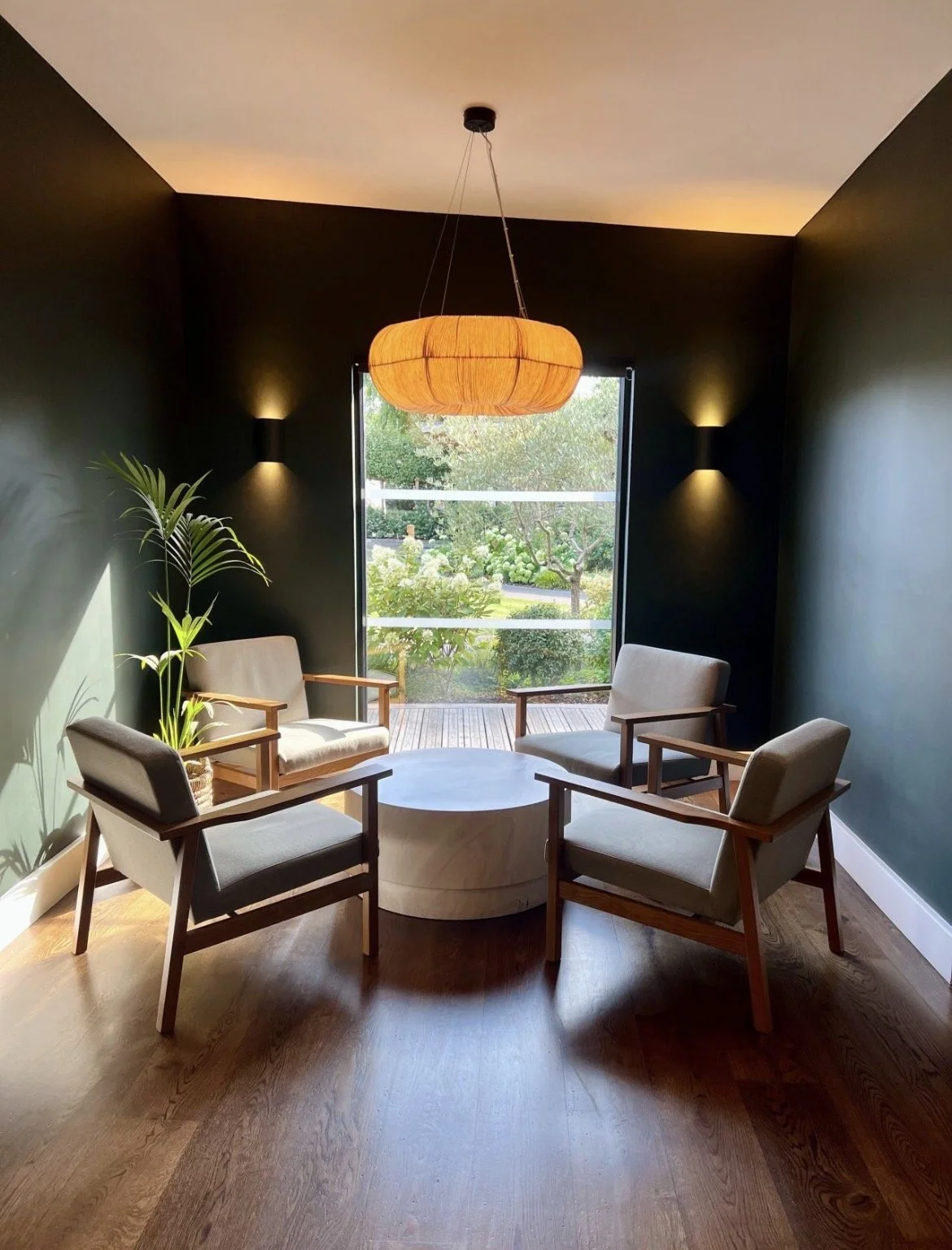
The Woodlands at Hothorpe © Fizzydo
The right venue can make an event. The wrong one can make everything harder.
Choosing an event space is about more than finding somewhere that looks good. It's about finding somewhere that works for your people, your purpose and the experience you want to create.
Whether you're organising a business networking event, corporate gathering, wedding, celebration, exhibition or something completely different, choosing the right venue is about more than finding somewhere that looks good in photographs.
You need somewhere that works for your people, your event and your budget, and somewhere you can actually imagine your guests enjoying being in.
Here are 14 things we'd look at before booking.
1. Start with the event, not the venue
Before you fall in love with a beautiful room, be clear about what you're actually planning.
How many people will attend? Will they be seated, standing or moving between spaces? Will there be speakers, exhibitors, food, networking or entertainment?
A venue that is perfect for a dinner might be completely wrong for a networking event. Think about what your guests need to do, not just what you want the venue to look like.
2. Get your numbers right
Guest numbers affect almost everything including capacity, catering, room layout, staffing and cost.
Don't simply look at a venue's maximum capacity. Ask what that capacity means for your particular event format.
A room that holds 200 people theatre-style may feel very different with 200 people seated at tables, or 200 people trying to network.
3. Think about location and accessibility
How easy is the venue to get to?
Consider road and public transport links, parking, accommodation nearby and how straightforward it will be for guests to find the venue.
Consider the safety of people leaving late at night - is the route to the car park well lit and near to the venue?
Accessibility matters too. Think about step-free access, accessible toilets, parking and whether the layout works for everyone attending.
The easier you make it for people to get there, the easier you make it for them to say yes.
4. Work out the real cost
Don't stop at the headline venue hire price.
Ask what is included and what isn't - furniture, staffing, cleaning, security, catering, equipment, Wi-Fi, parking and anything else you'll need to pay for.
Ask about minimum spends, overtime charges and additional fees too.
You want to know the cost of your event, not simply the cost of the room.
5. Check what's included
Every venue works differently.
Some offer packages and in-house services. Others give you much more freedom to bring in your own suppliers.
Ask about tables, chairs, linen, catering, drinks, AV, staffing, set-up and clear-down.
The more you understand at the beginning, the fewer surprises you'll have later.
6. Make sure the space works for your format
Look beyond the main room.
Do you need a reception area? Breakout rooms? Somewhere for exhibitors? A private space for speakers? Storage? A green room? A quiet area?
And think about how people will actually move through the venue.
A great event isn't just about having enough space, it's about having the right space in the right places.
7. Ask about technology
For many events, good Wi-Fi and reliable AV are no longer optional.
Find out what the venue provides and what you'll need to bring in yourself.
Ask about screens, microphones, speakers, presentation equipment, charging points and Wi-Fi capacity.
If technology is important to your event, don't assume. Ask, and if possible, test it.
8. Understand the venue's rules
Every venue has rules, and it's much better to know them before you book.
Ask about:
Noise and finish times
Music and entertainment
Decorations and fixings
Candles or open flames
Confetti
External suppliers
Catering and drinks
Signage and branding
Access for deliveries
The perfect event on paper isn't much use if the venue won't let you run it the way you've planned.
9. Consider catering and refreshments
Food and drink can be a major part of the experience and the budget.
Ask whether catering is in-house, whether external caterers are permitted and whether there are minimum spends.
For business events, think about refreshments throughout the day. For networking, consider whether the layout encourages people to mingle rather than simply sit down and eat.
And don't forget dietary requirements.
10. Think about the guest experience
This is the bit that's easy to overlook.
What will people see when they arrive?
Is there somewhere welcoming to register? Is the event space comfortable? Can people hear what's happening? Is there somewhere to have a conversation?
A venue might tick every practical box but still feel wrong for your event.
Trust your instincts but check the practical details too.
11. Ask about set-up and clear-down
Find out exactly when you can get into the venue and when everything needs to be cleared away.
This is particularly important if you're bringing in exhibitors, suppliers, staging, entertainment or equipment.
Ask:
When can we arrive? Who can access the venue? When can suppliers arrive? When does everything need to be out?
A generous set-up period can make an enormous difference to your event day.
12. Have a plan for the unexpected
If you're relying on an outdoor space, what happens if it rains?
If you're planning an evening event, what happens if guests need to stay later?
If something goes wrong with the AV, catering or room layout, who is there to help?
Ask the venue how they handle problems and what support is available on the day.
You don't need to plan for every possible disaster but you do need to know who has your back.
13. Look at the contract before you commit
Before paying a deposit, make sure you understand the terms.
Check:
Deposit and payment schedule
Cancellation terms
Refunds
Date changes
Additional charges
Damage or security deposits
Minimum numbers or minimum spend
What happens if your requirements change
If you're spending significant money on an event, don't be afraid to ask questions about anything you don't understand.
14. Visit before you book
Photographs are useful. They are not the same as being there.
Walk the route your guests will take. Look at the rooms. Check the toilets. Look at the parking. Stand where your speakers will stand. Imagine where people will register, eat, network or dance.
And if possible, visit while another event is taking place.
You'll learn far more about how a venue actually works when you see it in use.
Finally: choose the venue that feels right for your event
There isn't one perfect type of event venue.
It might be a beautiful country house, a stylish hotel, a quirky industrial space, a private dining room or somewhere completely unexpected.
The best venue is the one that works for your people, your purpose, your budget and the experience you want to create.
And sometimes the venue that wasn't on your original shortlist turns out to be the one that everyone remembers.
This guide is intended as general information and is not a substitute for professional legal, financial, health and safety or accessibility advice. Always check the specific terms, facilities and requirements of your chosen venue before booking.
